
When strong winds, pounding hail, or heavy rain hit South Dakota, your roof can take a real beating. From blown-off shingles to sneaky water leaks, storm damage roof repair becomes an urgent priority. But what should you do right after the storm clears? Many homeowners feel overwhelmed, unsure of where to start or how to deal with insurance claims.
That’s why this guide walks you through everything you need to know, from spotting damage early to finding a trustworthy contractor. And if you’re in South Dakota, Paramount Exteriors is here to help. We’re your local experts in storm restoration roofing, and we’re ready to give you a FREE, no-obligation quote to get your home back in shape.
Recognizing Storm Damage to Your Roof
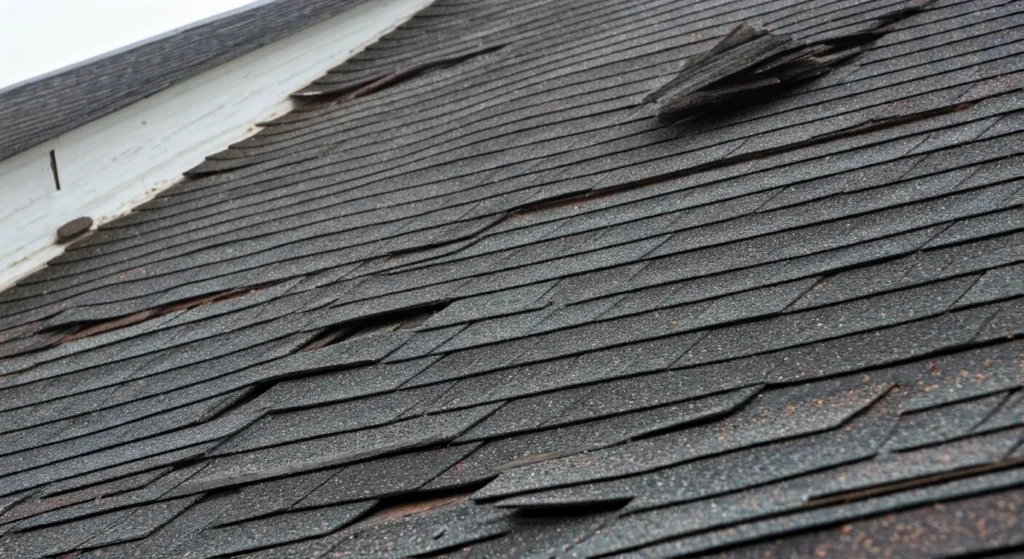
After a big storm, it’s important to check your roof for signs of damage. Here’s what to look for:
- Missing or broken shingles
- Dented or cracked metal flashing
- Piles of shingle granules in gutters or on the ground
- Sagging or leaking areas in the attic
- Water stains on ceilings or walls inside your home
You don’t always need to climb on the roof to spot problems. Often, you can see signs from the ground or from a second-story window. If you’re not sure, call a professional to inspect it safely.
Common Signs Your Roof Has Suffered Storm Damage
Your home’s roof is the first thing that protects it from weather events like storms. After a storm, it is a good idea to check the roof. This can help you save money on repairs down the road. Look for these signs of storm damage:
- Missing shingles or any spots on your roof without roofing material, which often happen after high winds.
- Water leaks inside your home or attic. You might see water spots on the ceilings or walls.
- Shingles that are dented, cracked, or loose. This can come from hail damage.
- Granule loss on shingles. These small bits can pile up in your gutters after rough weather.
- Damage to the roof’s flashing or gutters. If these are broken, water could get into your home and harm the roof deck.
If you see any of these, your home’s roof may have storm damage, and you should get a roof inspection by a professional. Waiting to fix water leaks or missing shingles can cause bigger, and more expensive, problems for your house later. Getting fast roof repair is important to keep your home in good shape.
Types of Storms That Commonly Cause Roof Damage
Different weather events can compromise your roof in unique ways. High winds may rip away shingles or lift roof edges, while heavy rain can infiltrate vulnerable spots. Hailstorms are notorious for leaving behind pockmarks and granule loss, while debris from severe storms may cause sudden structural damage.
Insurance companies and roofing professionals define “storm damage” as harm caused by external weather events. Understanding the types of storms that commonly lead to roof damage is important for homeowners:
| Storm Type | Typical Roof Damage |
| High Winds | Missing shingles, curled edges, exposed underlayment, torn flashing |
| Hail | Dented or cracked shingles, granule loss, punctures |
| Heavy Rain | Water leaks, standing water, water spots, deteriorated roof deck |
| Debris Impact | Broken shingles, holes, structural damage, blocked gutters |
| Ice/Snow | Ice damming, split shingles, water infiltration under roofing materials |
Recognizing which weather events cause what kind of roof damage helps you and your insurance company accurately define “storm damage” and streamline the claims process.
First Steps to Take After Discovering Roof Damage
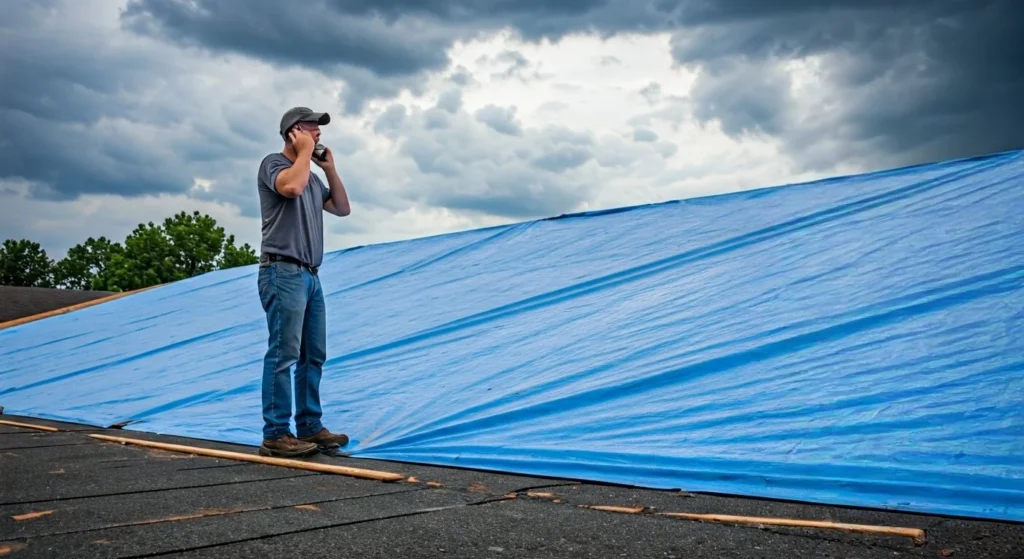
When you see that there is storm damage to your roof, it is best to act fast. Your first step should be to make sure everyone inside is safe, especially if you spot severe damage or you think the house might not be stable. If things look very bad, you should leave the house and wait until a professional roofing contractor has checked it.
After safety, you need to do what you can to stop more storm damage. Cover any parts of the roof that are open. At the same time, it helps to take photos and write down details. This will be useful if you need to file an insurance claim. Quick action can keep your repair costs down, and it may help you get a better result with your insurance claim.
Ensuring Safety for Your Household
Household safety should always come first after storm damage. Do not try to climb onto the roof if you think there is structural damage, or if power lines or big debris are around. Instead, stay safe and look at your home’s roof from the ground or from upstairs windows.
If you see sagging ceilings, lots of water leaks, or a place where the roof does not look stable, leave right away and call professional roofers. Water damage and problems with the building’s structure can be dangerous, even if you do not see them right away. It is best to not take any chances.
If you want to check for storm damage safely, use binoculars to look at the roof from the ground. Never walk on roof areas that are wet or damaged. It is better to get help from professional roofing contractors, who know how to look for trouble and who can tell you the right way to do roof repair and restoration after water damage, water leaks, or other structural damage.
Actions to Minimize Immediate Further Damage
When you make sure the area is safe, you should act fast to stop more roof damage while you wait for a roofing contractor. Quick steps can help keep small roof damage, like missing shingles, from turning into big problems for your home. Here are some emergency things you can do:
- Put tarps or strong plastic sheets over places on the roof with missing shingles or holes so water can not get in.
- Use buckets or other containers to catch water leaks inside your house. Move your valuables out of these areas.
- If you can do it safely, take away debris from gutters and downspouts. This helps stop water backup and extra water leaks.
- Do not use the rooms right under the most damaged parts of your roof.
These tips do not fix everything, but they do help cut water damage and protect your home until a roofing contractor can come for a roof repair and full check.
How to Safely Inspect and Assess Your Roof
Before you get too close to areas that have storm damage, know that roof inspection can be risky. Start by walking around your home. Look at your roof from the ground and take note of any roof damage you can see. Use binoculars if you have them. This helps you spot missing shingles, dents, or debris without getting too close.
If you think there could be bigger problems or you cannot see every part of the roof, it is best to call a professional roofing contractor. They have the training, safety gear, and knowledge to handle roof inspection. A professional roofing contractor will find any roof damage you might miss. This helps make sure that your home gets the best roof repair it can.
Exterior Inspection Tips and Precautions
Inspecting your roof after a storm must always be done with care. Never climb up if the roof does not look safe or is still wet and slick. Instead, try these tips to check for roof damage from the ground:
- Walk around your home to look for missing shingles or visible holes in the roof deck.
- Look for water spots or dark stains on the outside walls. These could mean there are leaks.
- Check gutters and downspouts for dents or blockages made by hail or other things.
- Use binoculars to look at hard-to-reach places and see if any shingles are lifting or curling in a strange way.
If you are not sure about what you find, or see any big problem signs, call professional roofers right away. Putting your safety first during your check will help keep you from harm. It also helps you get the right information for your insurance claim and roof repair.
When to Avoid DIY Roof Checks and Call a Professional
While it can be tempting to get up and look at every part of your roof yourself, there are times when it’s better to call in professional roofers. If you see spots on your roof that are sagging, notice big pieces of debris, or find any place that looks unsafe, you should stay off the roof and away from those areas.
The risk of roof damage is high when you see things like structural damage or water leaks on the roof. This puts you and other people in danger. A roofing contractor, who is a professional, has the right tools and skills to check your roof and fix the problem. This helps keep you safe, even if the damage is big, like after a storm.
If you are not sure you can check or fix the roof on your own, it is best to call a licensed roofing contractor right away. They will do a full roof inspection to look for storm damage or other problems. The roofing contractor can help you document roof damage and water leaks for your insurance claim. After that, they can start work to restore your roof quickly and in a safe way.
Documenting Roof Storm Damage for Insurance
Accurate documentation is so important when you want a smooth insurance claim after roof damage. Be sure to take clear photos and write notes of every sign of storm damage. This includes missing shingles, water leaks, and dented gutters. All this will help your insurance company understand the full cost of the repairs and make your insurance claim stronger.
If you can, try to make a good record soon after the storm and before any emergency repairs happen. The right documentation gives the insurance adjuster the details they need. This will help your claim move forward without problems.
Essential Photos and Notes to Take
When you get ready to file an insurance claim, you have to keep good records. Take many clear photos of every area that got damaged, both inside and outside. This helps your insurance provider get a full idea of the storm damage to your home’s roof and everything around it.
- Take close-up photos of any missing shingles, hail damage, and water spots on walls or ceilings.
- Use wide shots to show the whole home’s roof and the yard or property nearby.
- Get photos of any gutters, flashing, or pieces on the roof deck that are broken or have debris.
- Take pictures of signs of water damage inside your attic or the rooms you use, such as mold or mildew.
- Write down details like the date and time when the storm happened, what kind of weather it was, and any emergency repairs you did to the roof.
If you keep the storm damage photos and notes safe and in order, it will help you get through the claims process faster and may help you get a fair deal from your insurance provider.
Creating a Comprehensive Damage Inventory
Making a clear list of roof damage is very important. This helps when you need to work with your insurance company or figure out repair costs. Start by writing down every area that has damage. Include what type of roof damage you see, like missing shingles or bigger problems with the roof’s structure. It is helpful to add details, such as how big the damaged spot is and if you see any water leaks.
Put your photos and notes next to each thing on your list. This makes the claims process easier for you and for the insurance company. It will also help your roofing contractor understand the full scope of work needed for storm damage restoration.
Be sure to share your full list with both the insurance company and the contractor who will do the roof repair. Having an organized damage inventory will help everyone work faster. It will also make sure no part of the storm damage is missed when you make a plan to fix it.
Navigating Insurance Claims for Storm-Damaged Roofs
Filing an insurance claim for roof damage might seem tough, but when you know the steps, it gets easier. You should call your insurance company right away when you spot storm damage on your roof. Make sure you have all the right paperwork and give any details the company needs. Work together with the insurance adjuster, as this will help keep things smooth.
Homeowners insurance often covers roof damage from big weather events or extreme weather, but it’s good to know what your own policy includes. This knowledge helps you feel ready and less surprised during the claims process. To make things easy, work with a roofing contractor who knows about storm damage restoration. The right roofing contractor and following the process can help you get a good result from your insurance claim.
Understanding What Is Typically Covered
Insurance policies often cover specific types of storm-related roof damage. It’s important to review your homeowners insurance to understand what is included. Most policies protect against high winds, hail damage, and water damage, but exclusions or limits may apply for older roofs or lack of maintenance.
Here’s a summary of common coverage:
| Type of Damage | Typically Covered by Homeowners Insurance? |
| Wind Damage | Yes, if caused by a covered storm event |
| Hail Damage | Yes, unless excluded in certain regions |
| Water Damage | Yes, if sudden and accidental (not from neglect) |
| Structural Damage | Yes, if caused by a covered weather event |
| Wear and Tear | No, considered maintenance issue |
Review your policy closely and ask your insurance agent for clarification. Understanding your coverage helps you prepare for the claims process and avoid surprises with repair costs.
How to File a Successful Insurance Claim
Filing a good insurance claim for storm damage means you need to get ready and talk clearly with the right people. Here is a way to help make it easier:
- Let your insurance provider know right away when you see roof damage.
- Send in your photos, a list of what things got damaged, and any receipts for emergency repairs.
- Set up a time for the insurance adjuster to come look and give access to every place that got hit.
- Ask your roofing contractor for an initial estimate. Use this to see how it matches the one from the insurance company.
Having a trusted contractor who understands the insurance process like Paramount Exteriors can make this part much easier.
Choosing a Reliable Roofing Contractor After a Storm
Finding the right roofing contractor is a key part of storm damage restoration. You want to choose a good and trusted company. Make sure the team has lots of experience and good feedback from people. It’s also best to go with someone who has a real record of doing storm damage roof repair. Ask if they can give you flexible financing options or do emergency repairs when you need them.
A professional roofing contractor can do it all. They will help you with the first check of your roof, help you with insurance, and handle roof repair or replacement. When you work with an expert, your home gets the best care.
Key Criteria for Selecting Trusted Roof Repair Experts
Choosing the right roofing contractor is about more than looking at the price. You need to keep some important things in mind if you want good service for storm damage restoration.
- The roofing contractor should have the right licensing, insurance, and the certifications needed for roofing jobs.
- Look for good warranties on both the materials and the work. This will give you peace of mind about your roof replacement or repair.
- The estimate you get has to be clear about the scope of work and should show all repair costs.
- Check if there are positive reviews from people who have used this roofing company. They should have a record of successful roof replacement or repair.
- The roofing contractor should offer flexible financing options or emergency repair services, so you get help when you need it most.
You should ask each roofing company about their work with insurance claims and storm damage. If a contractor knows the claims process well, they can help get your home back in shape faster and better. Tom Silva, a home improvement expert, says that knowing how to work with insurance companies is really helpful. Pick a roofing company that will talk openly with you from the start, tell you what is going on, and focus on your needs.
Conclusion
Storms can strike quickly and leave behind serious roof damage that puts your home at risk. From missing shingles and hail dents to water leaks and weakened structures, knowing how to spot storm damage and respond quickly is key. We’ve walked through everything you need to know, from inspecting safely, documenting for insurance, and making temporary fixes, to choosing the right roofing contractor for full repairs. The faster you act, the more you can prevent long term damage and costly repairs.
If you’re a South Dakota homeowner dealing with storm damage, trust Paramount Exteriors, your local storm restoration specialist. Whether it’s hail, wind, or water damage, our expert team knows how to handle it all and we’ve worked with every major insurance company. We service all types of roofs and follow the highest roofing standards using quality materials from ABC Supply in Sioux Falls. Don’t wait, contact us today for a FREE, no-obligation quote and get your roof restored the right way by South Dakota’s trusted pros.